Mode
FASHION TECH
2024 - PRESENT
REMOTE,UNITED STATES
AI-powered fashion shopping assistant for personalized, intentional and social shopping.
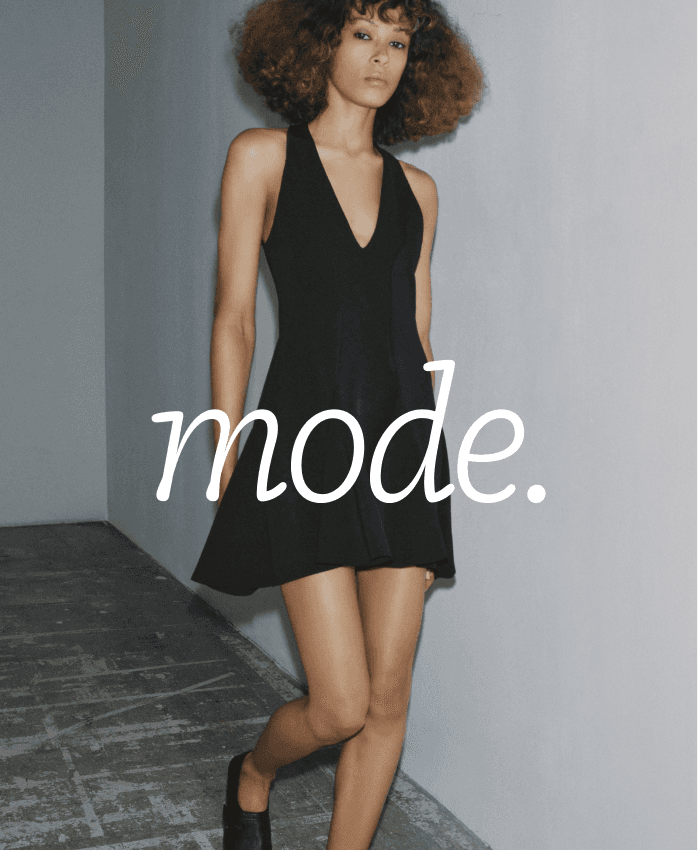
Put simply, shopping should feel intuitive, not exhausting.
Instead of endless scrolling and second-guessing, the goal was to design an experience that understands taste, adapts over time, and helps people feel confident in what they choose.
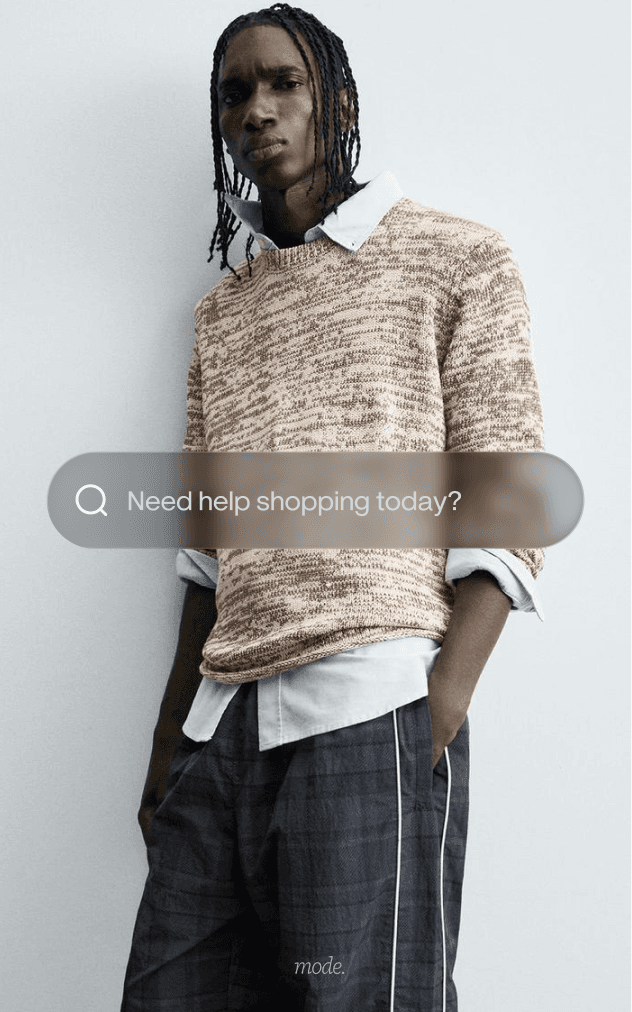
Together with the founder, I worked on shaping Mode from the inside out — defining the product experience, visual language, and interaction flow.
My role sat at the intersection of UX, UI, and brand, making sure the product felt as thoughtful as the technology behind it.
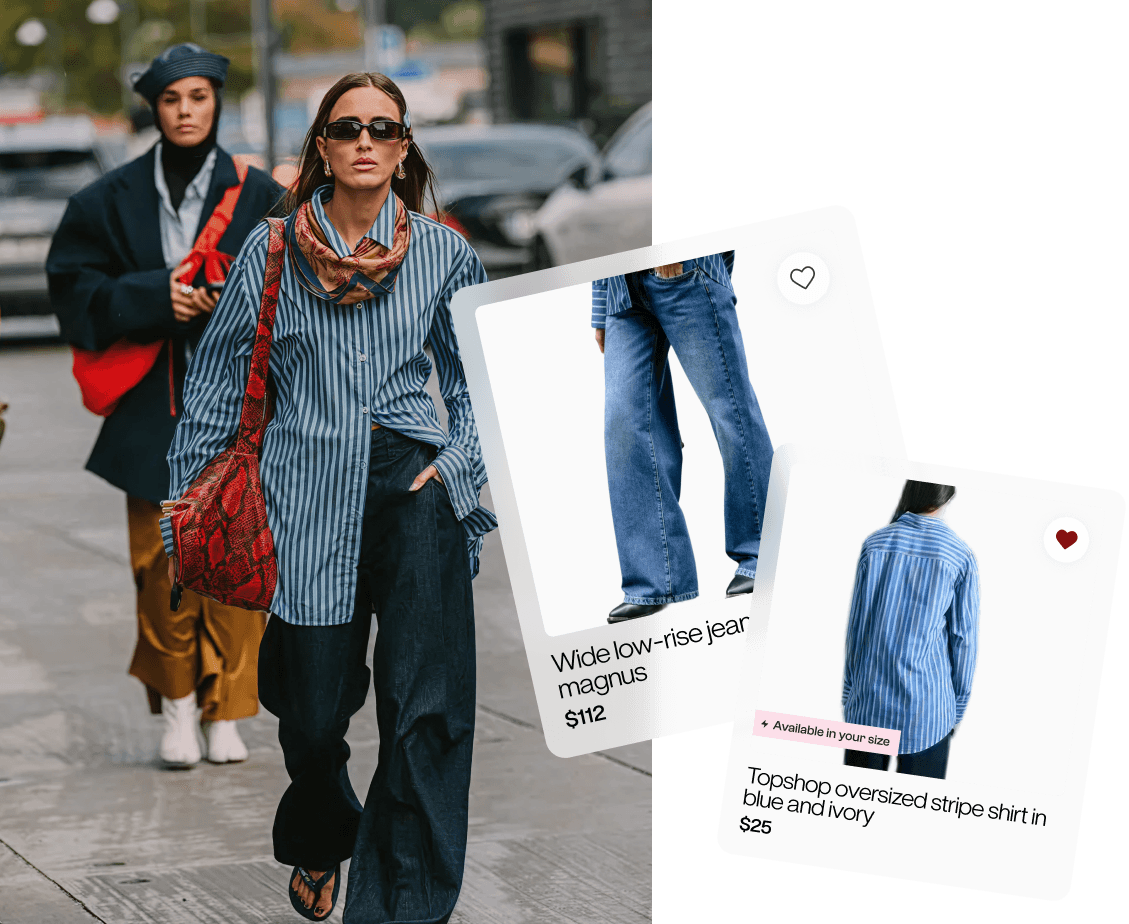
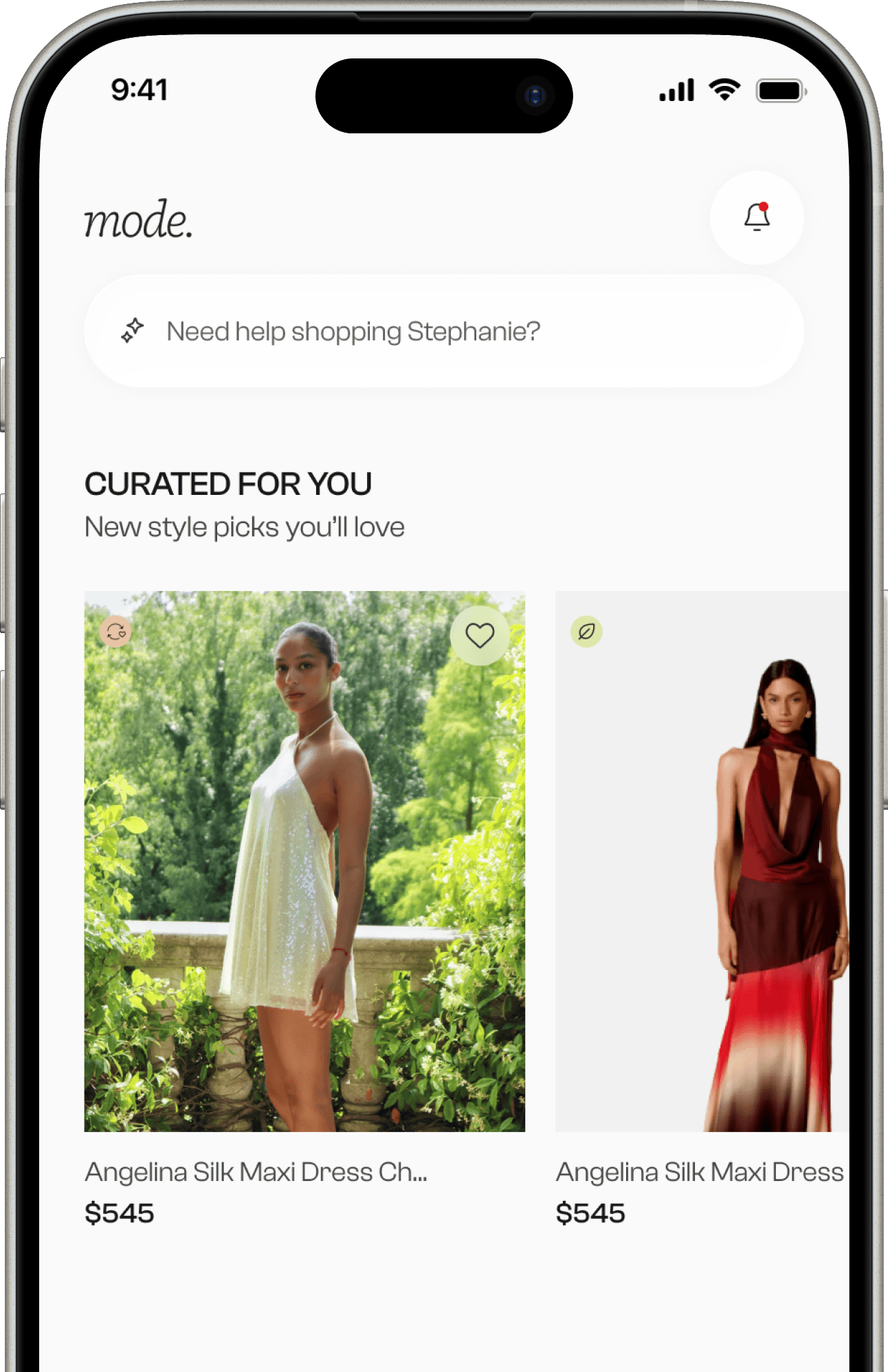
Mode is an AI-powered fashion shopping platform designed to help users discover emerging brands, style, and shop outfits that feel personal, without the overwhelm of traditional e-commerce.
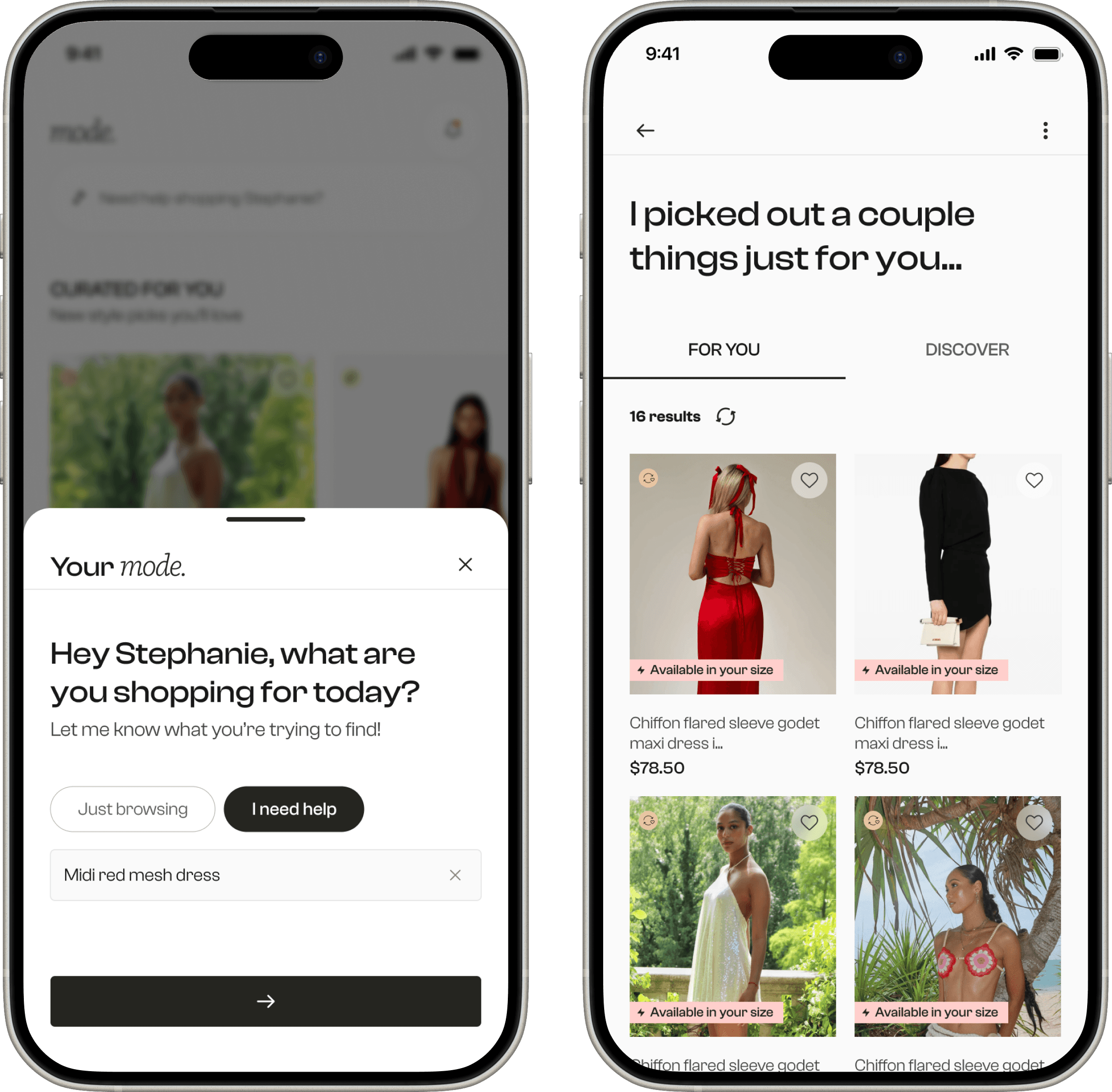
Fashion is personal. Algorithms aren’t (at least not yet).
The challenge was bridging that gap. Designing an AI-powered experience that felt assistive, not overwhelming, personal, not generic, and confident without taking control away from the user.
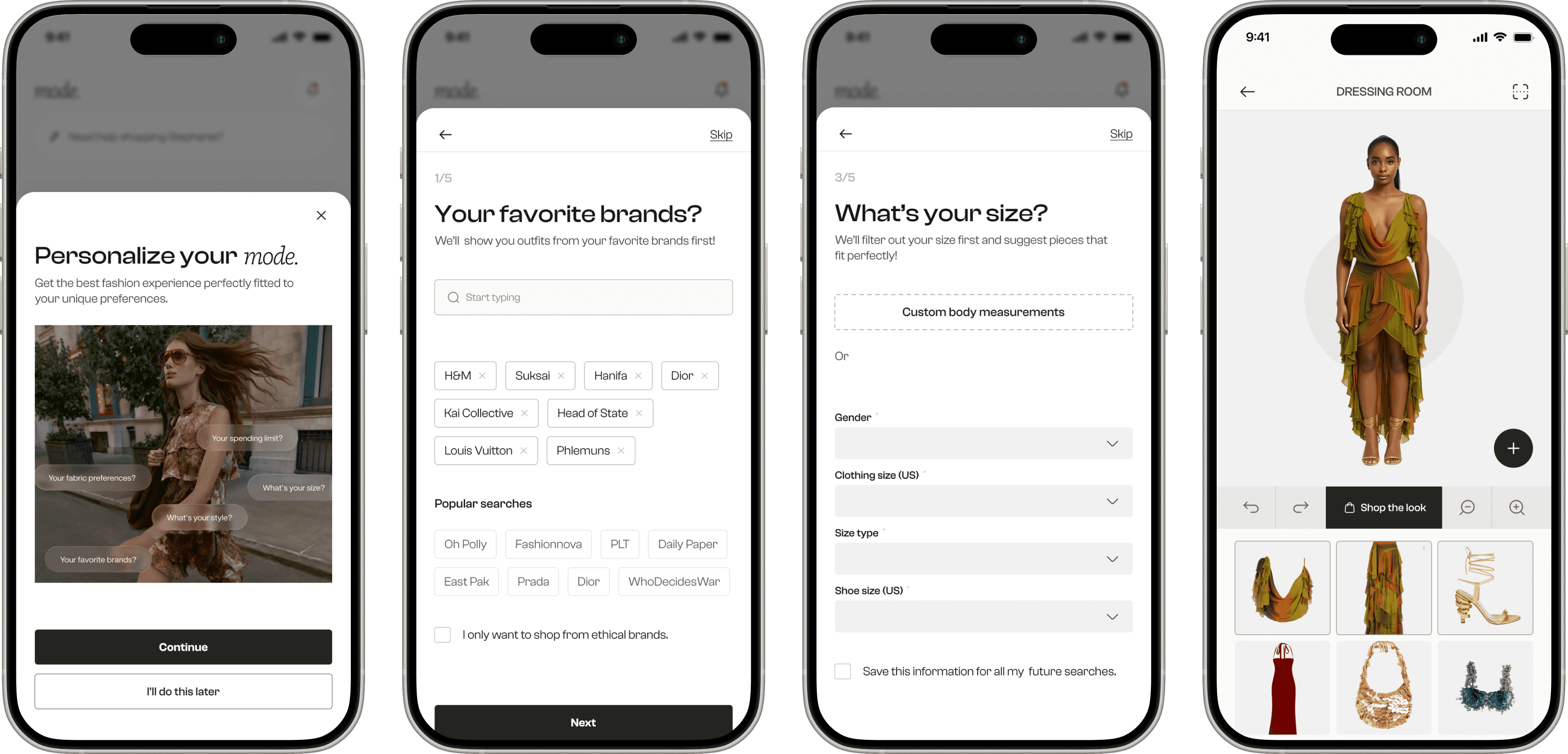
Research revealed a familiar pattern where users hop between apps, save outfits everywhere, and still walk away unsure.
They weren’t looking for more options, they wanted guidance, clarity, and recommendations they could absolutely trust.
Every design decision leaned toward restraint. Features were structured to gently guide rather than dictate, allowing users to explore, refine, and discover while the system quietly learns their style in the background.
ON YOUR RADAR
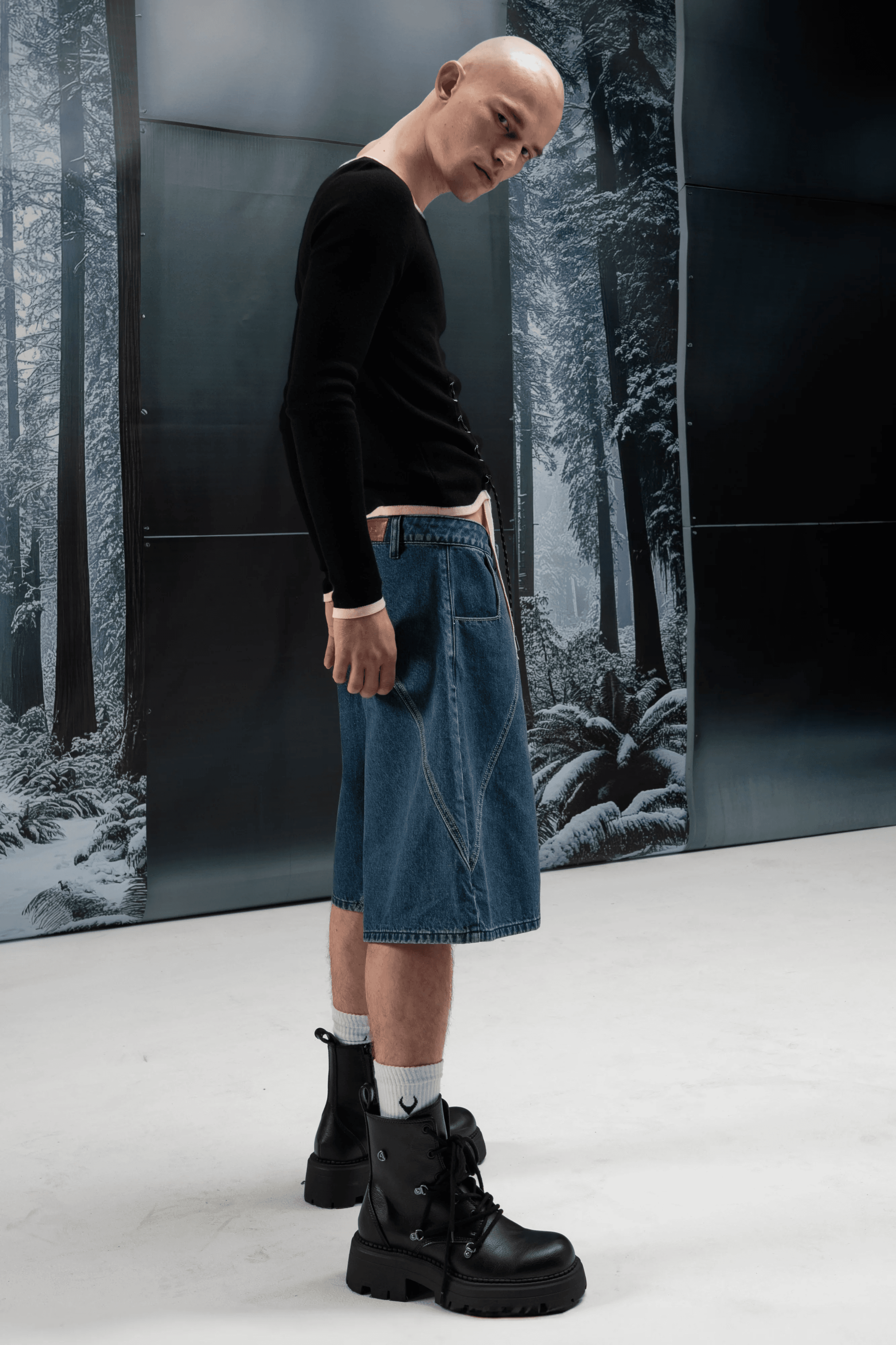
Brutalism Meets Organic Beauty with FANGNYC
A study in contrasts, where structure meets fluidity, and technical design embraces softness.
ON YOUR RADAR
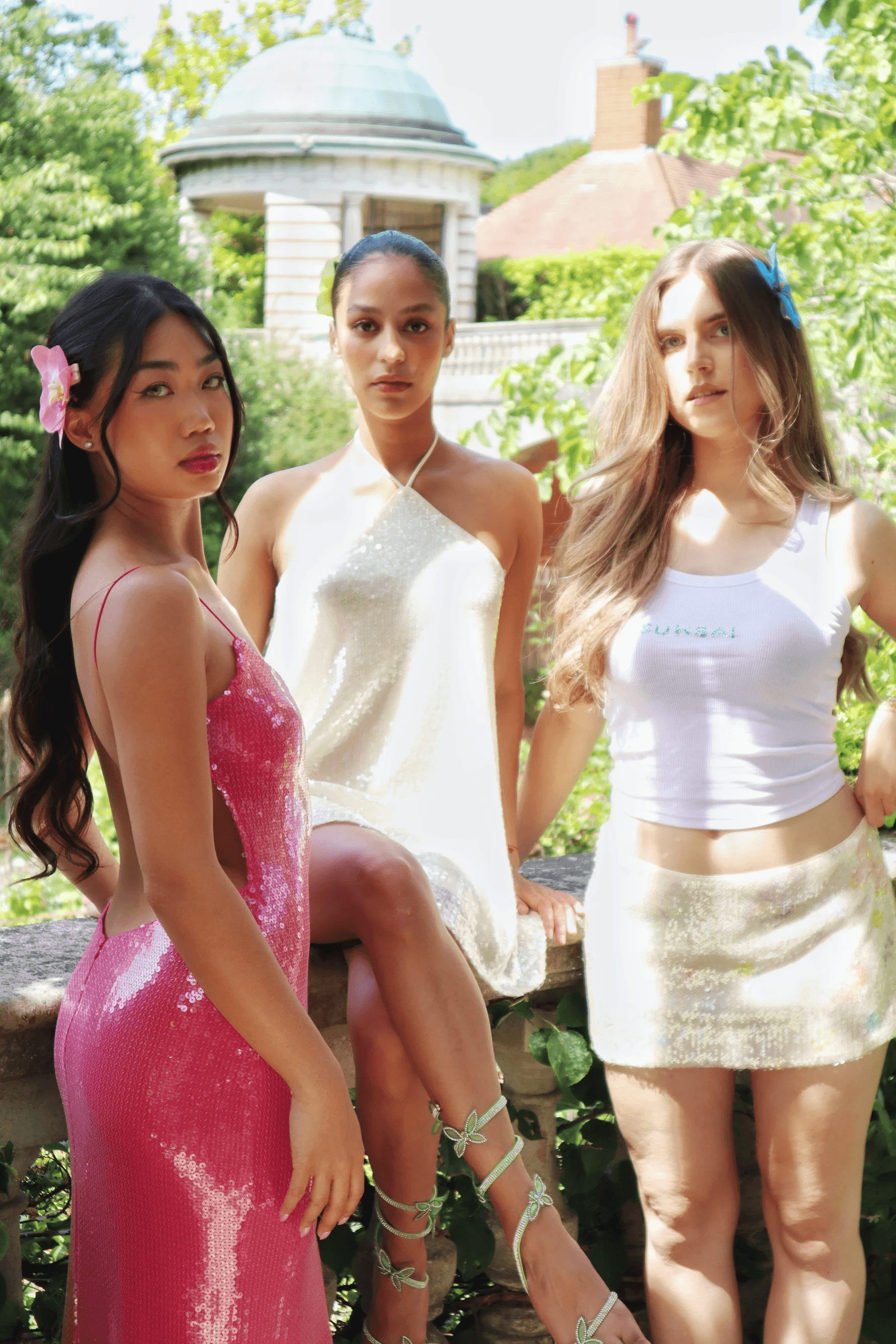
SUKSAI: Summer in Alfea
Summer with details, shimmering fabrics, bold cuts, and a perfect balance of sweet and scandalous.
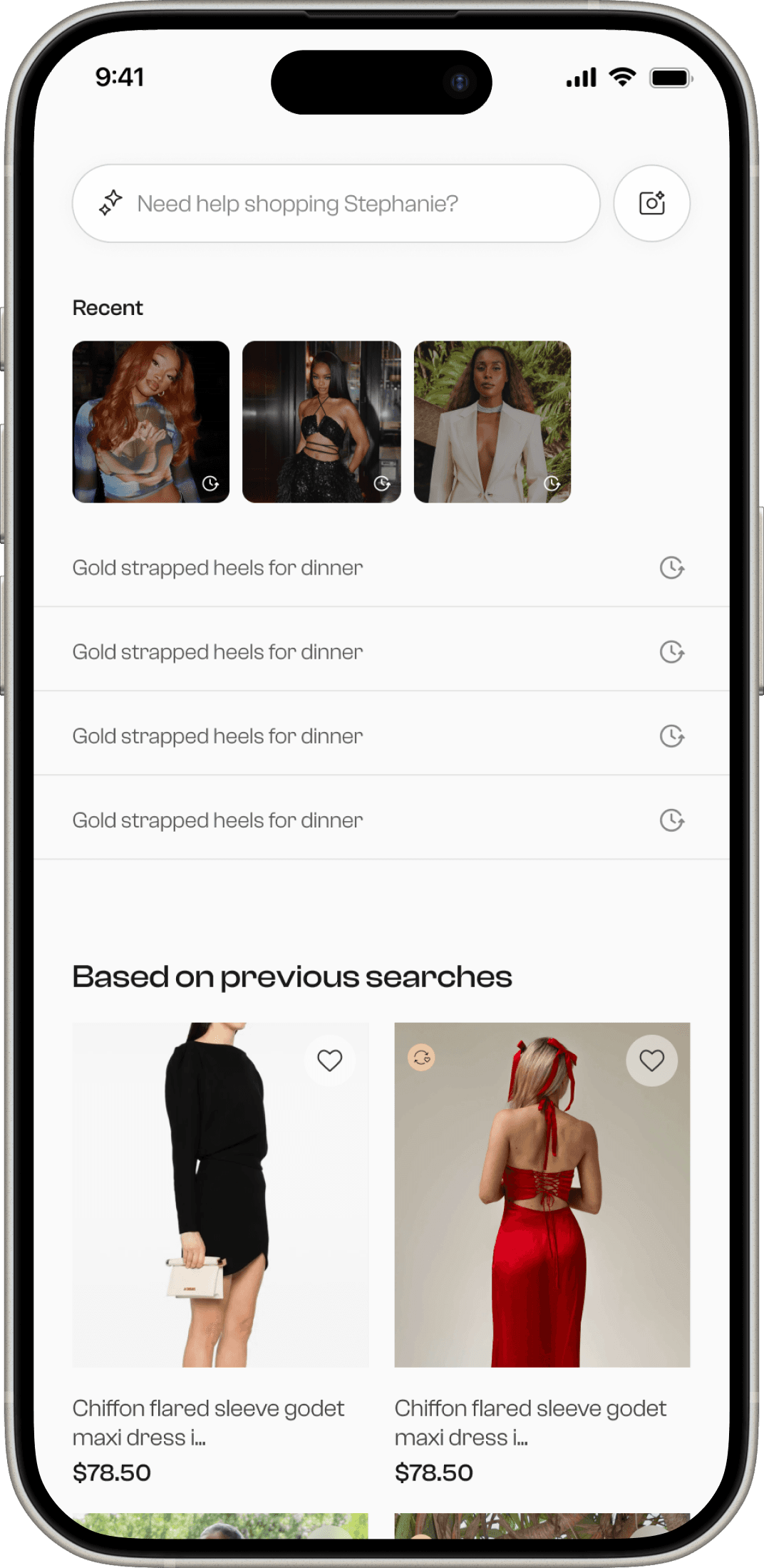
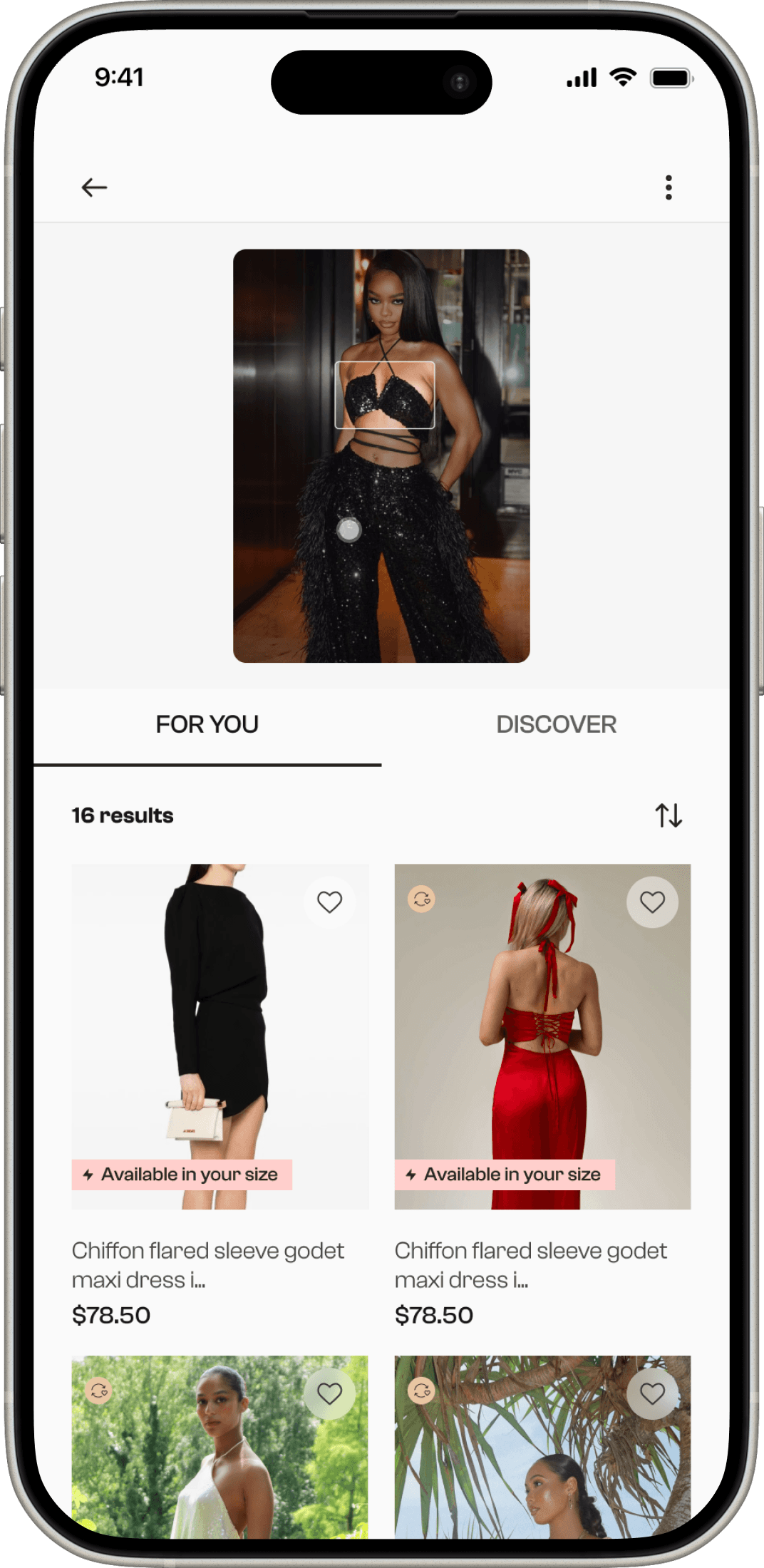
Mode doesn’t shout for attention, it listens, adapts, and helps users discover what already feels like them.
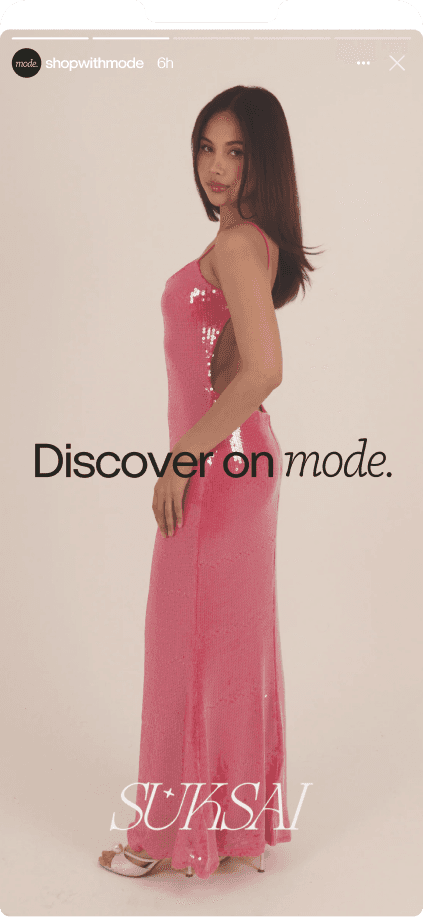
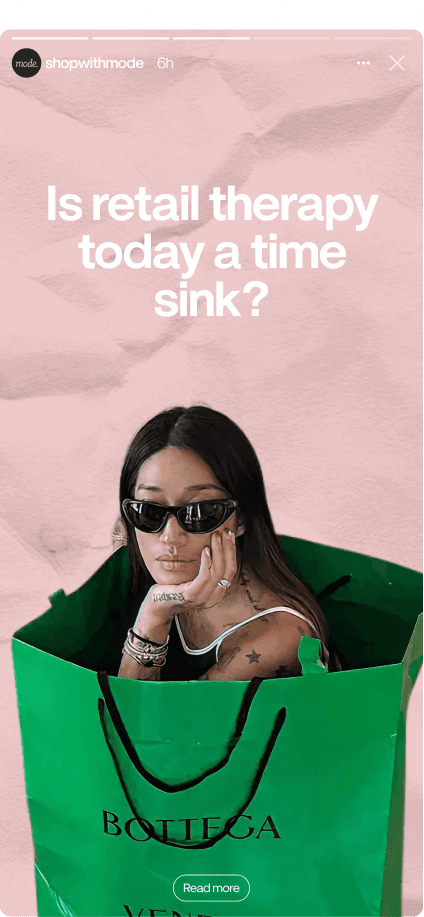
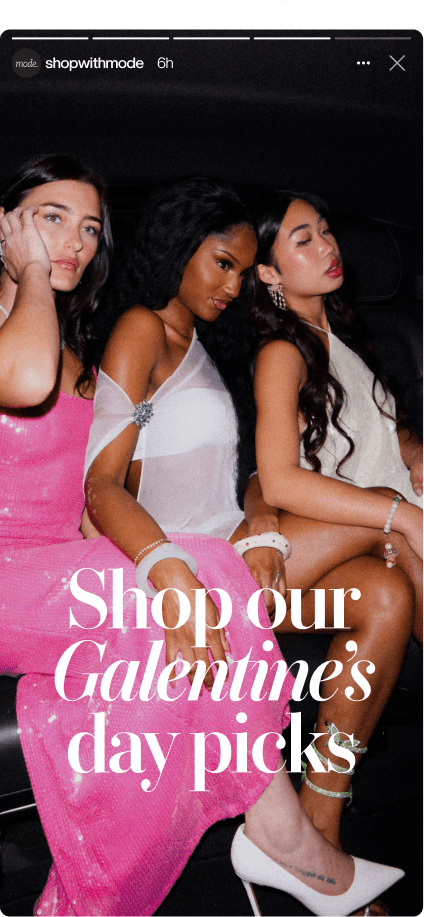
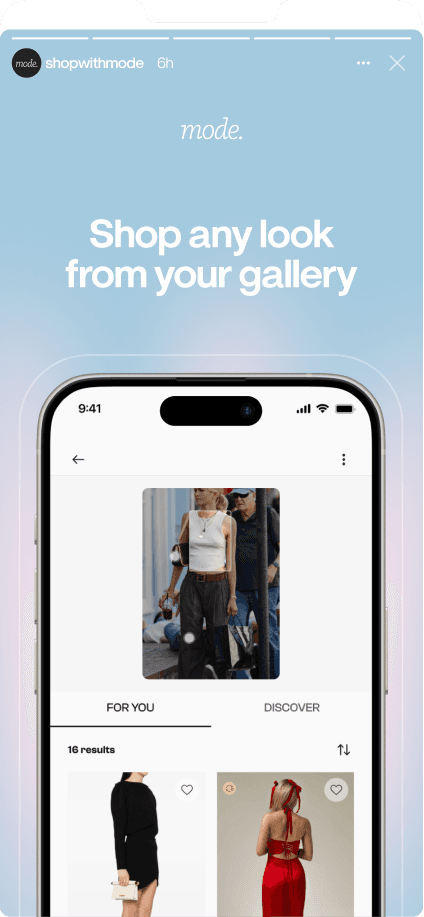
Mode laid the foundation for a scalable, AI-driven shopping platform rooted in trust and clarity, balancing intelligent systems with a strong visual identity and a human-centered approach to design.
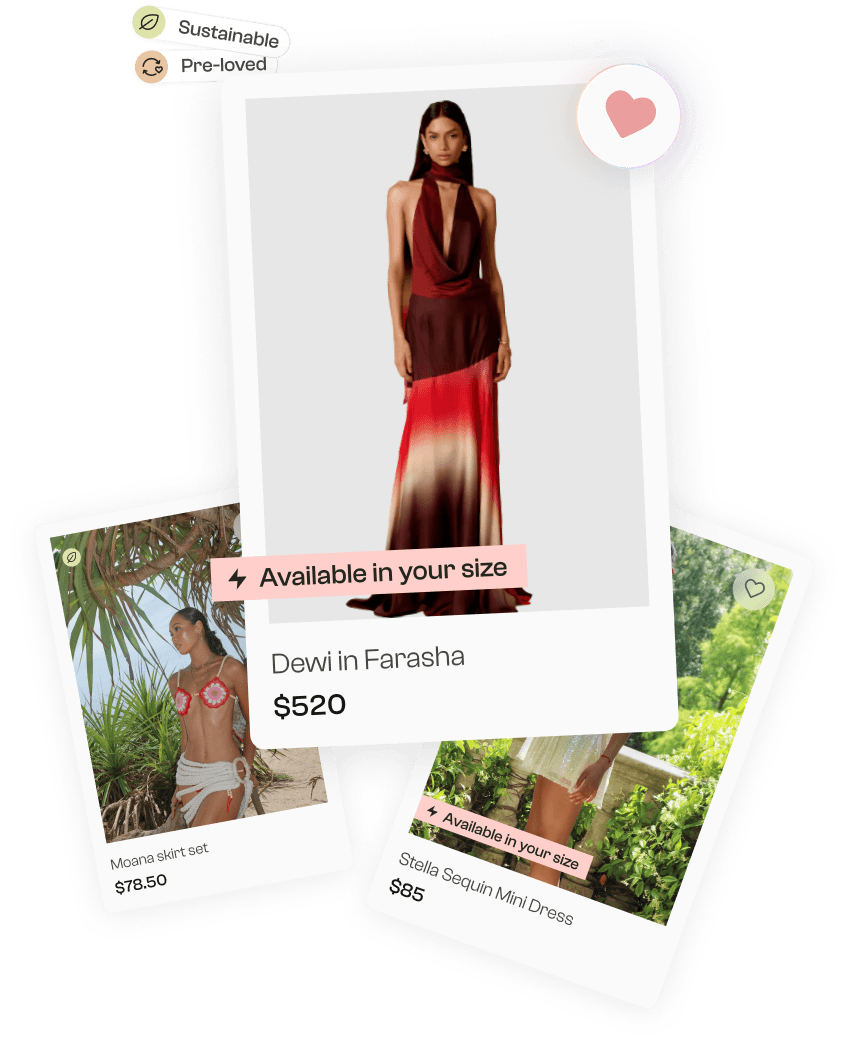
Put simply, shopping should feel intuitive, not exhausting.
Instead of endless scrolling and second-guessing, the goal was to design an experience that understands taste, adapts over time, and helps people feel confident in what they choose.
Together with the founder, I worked on shaping Mode from the inside out — defining the product experience, visual language, and interaction flow.
My role sat at the intersection of UX, UI, and brand, making sure the product felt as thoughtful as the technology behind it.
Mode is an AI-powered fashion shopping platform designed to help users discover emerging brands, style, and shop outfits that feel personal, without the overwhelm of traditional e-commerce.
Fashion is personal. Algorithms aren’t (at least not yet).
The challenge was bridging that gap. Designing an AI-powered experience that felt assistive, not overwhelming, personal, not generic, and confident without taking control away from the user.
Research revealed a familiar pattern where users hop between apps, save outfits everywhere, and still walk away unsure.
They weren’t looking for more options, they wanted guidance, clarity, and recommendations they could absolutely trust.
Every design decision leaned toward restraint. Features were structured to gently guide rather than dictate, allowing users to explore, refine, and discover while the system quietly learns their style in the background.
ON YOUR RADAR
Brutalism Meets Organic Beauty with FANGNYC
A study in contrasts, where structure meets fluidity, and technical design embraces softness.
ON YOUR RADAR
SUKSAI: Summer in Alfea
Summer with details, shimmering fabrics, bold cuts, and a perfect balance of sweet and scandalous.
Mode doesn’t shout for attention, it listens, adapts, and helps users discover what already feels like them.
Mode laid the foundation for a scalable, AI-driven shopping platform rooted in trust and clarity, balancing intelligent systems with a strong visual identity and a human-centered approach to design.